Botox vs Fillers: Understanding Wrinkle Reduction vs Volume Restoration for Facial Rejuvenation

Botox and dermal fillers are often mentioned together, but they address different parts of facial aging. Botox helps soften wrinkles caused by repeated facial movements, while fillers restore volume and support in areas that have gradually lost volume over time. Understanding how each treatment works can make it easier to choose the option that fits your facial concerns and aesthetic goals.

Botox is commonly used for wrinkles that appear because of repeated facial expressions. Frowning, squinting, smiling, and raising the eyebrows all involve muscle contraction. Over time, these movements can leave lines that stay visible even when the face is relaxed.

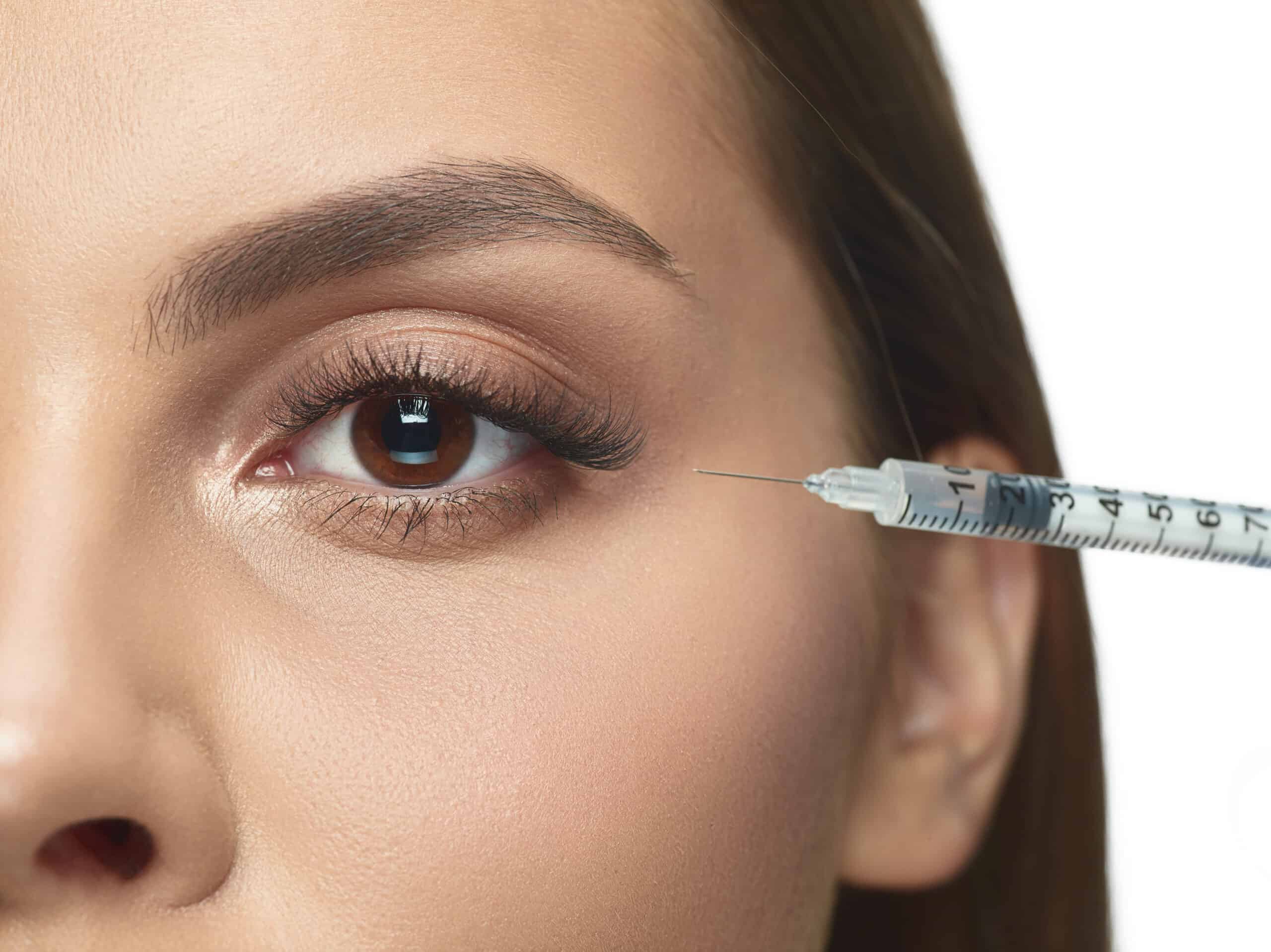
Botox works by temporarily reducing activity in selected muscles. When those muscles contract less strongly, the skin above them can look smoother. This is why Botox is often used for forehead lines, frown lines between the brows, and crow’s feet around the eyes.

The goal should not be a stiff or expressionless result. A measured approach allows the face to keep natural movement while softening lines that make someone look tired, tense, or older than they feel.

This is the wrinkle-reduction side of Botox for wrinkles vs fillers for volume. Botox is usually chosen when the main issue is dynamic wrinkling, meaning lines caused by muscle movement rather than facial hollowing.

Fillers for Volume Loss and Facial Support

Dermal fillers work in a different way. Instead of relaxing muscles, fillers add structure under the skin. Many commonly used fillers are made with hyaluronic acid, a substance that helps attract moisture and support volume.

Volume loss can show up as flatter cheeks, deeper smile lines, thinner lips, under-eye hollowing, or less definition along the jawline and chin. These changes are not usually caused by muscle movement alone. They often happen because fat pads shift, collagen declines, and facial support gradually changes with age.

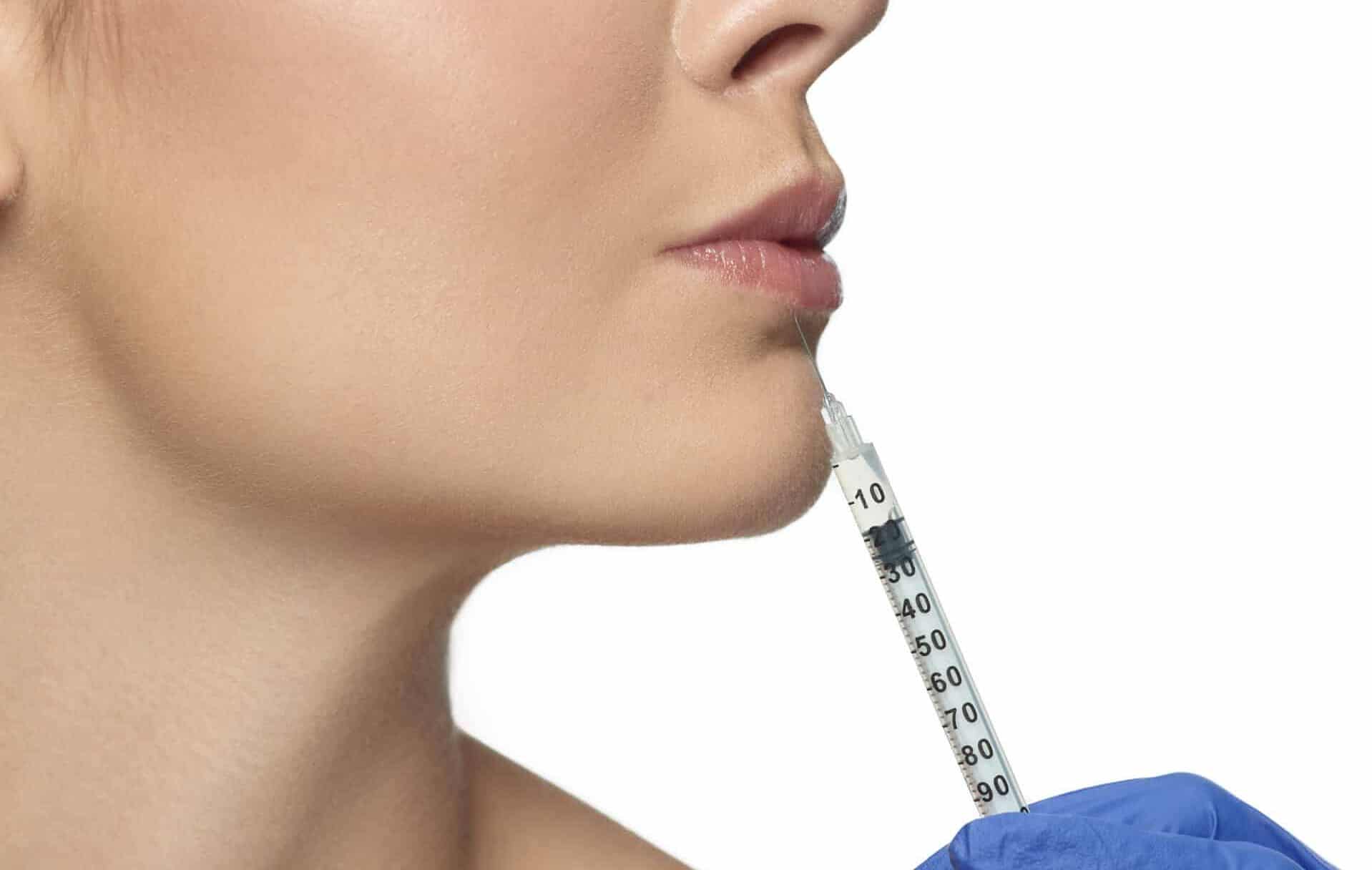
Fillers can be used to restore softness in areas that look hollow or depleted. They may also be used to refine certain features, such as the lips, chin, or jawline. The best results usually come from placing the right amount in the right area, not from adding unnecessary fullness.

This is the volume-restoration side of Botox for wrinkles vs fillers for volume. Fillers are often more suitable when the concern is shape, contour, or support rather than expression lines.

Botox vs Fillers Results: What Patients Usually Notice

The timeline and visual effect are different for each treatment, which is an important part of understanding Botox vs. fillers results.

Botox does not create an instant change. Results usually appear gradually as the targeted muscles begin to relax. Many patients start noticing a difference within several days, with the full effect often seen around two weeks. The treated area may look smoother, especially during facial expressions.

Fillers usually create more immediate visible change because they add volume at the time of treatment. The final result may still settle over several days or weeks as swelling improves and the product integrates with the tissue.

The type of result is also different. Botox can make a face look more rested by softening lines caused by movement. Fillers can make the face look more balanced by restoring areas that have lost volume or definition.

One treatment is not meant to copy the other. Botox will not lift hollow cheeks or restore lip volume. Fillers will not stop forehead muscles from creating expression lines. In many cases, the clearest improvement comes from matching the treatment to the cause of the concern.

Fillers vs Botox Cost: What Affects Pricing?

The topic of fillers vs botox cost can be confusing because the treatments are priced differently. Botox is often priced by unit or by treatment area. Fillers are commonly priced by syringe, product type, and treatment area.

Several factors can affect the total cost:

  • The amount of product needed
  • The area being treated
  • The injector’s training and experience
  • The type and brand of injectable used
  • The clinic’s safety standards and follow-up process
  • The complexity of the treatment plan

A small Botox treatment for frown lines may cost less than a filler treatment for cheeks or jawline because the product amount and technique are different. At the same time, a full-face Botox plan may cost more than a small filler enhancement.

Cost should be considered carefully, but it should not be the only factor. Injectables involve facial anatomy, product selection, and precise placement. A lower price is not always a better value if it compromises assessment, technique, or safety.

Anti-Aging Injectables Comparison: Which One Fits the Concern?

A clear anti-aging injectables comparison starts with identifying what is actually changing in the face.

Botox may be appropriate for:

  • Forehead lines
  • Frown lines
  • Crow’s feet
  • Lines that appear with facial expression
  • Muscle tension that contributes to a stern or tired look

Fillers may be appropriate for:

  • Cheek volume loss
  • Deeper folds around the mouth
  • Thinning lips
  • Under-eye hollowing
  • Chin or jawline definition
  • Facial balancing

Some concerns involve both movement and volume loss. For example, lines around the mouth may be affected by facial movement, skin quality, and changes in support. In that case, a provider may recommend one treatment first or discuss a combination plan.

The best injectable plan should be based on facial structure, not trends. A person with strong forehead movement may benefit from Botox. Someone with midface volume loss may be better suited for filler. Another person may need only a conservative treatment plan and maintenance over time.

Can Botox and Fillers Be Used Together?

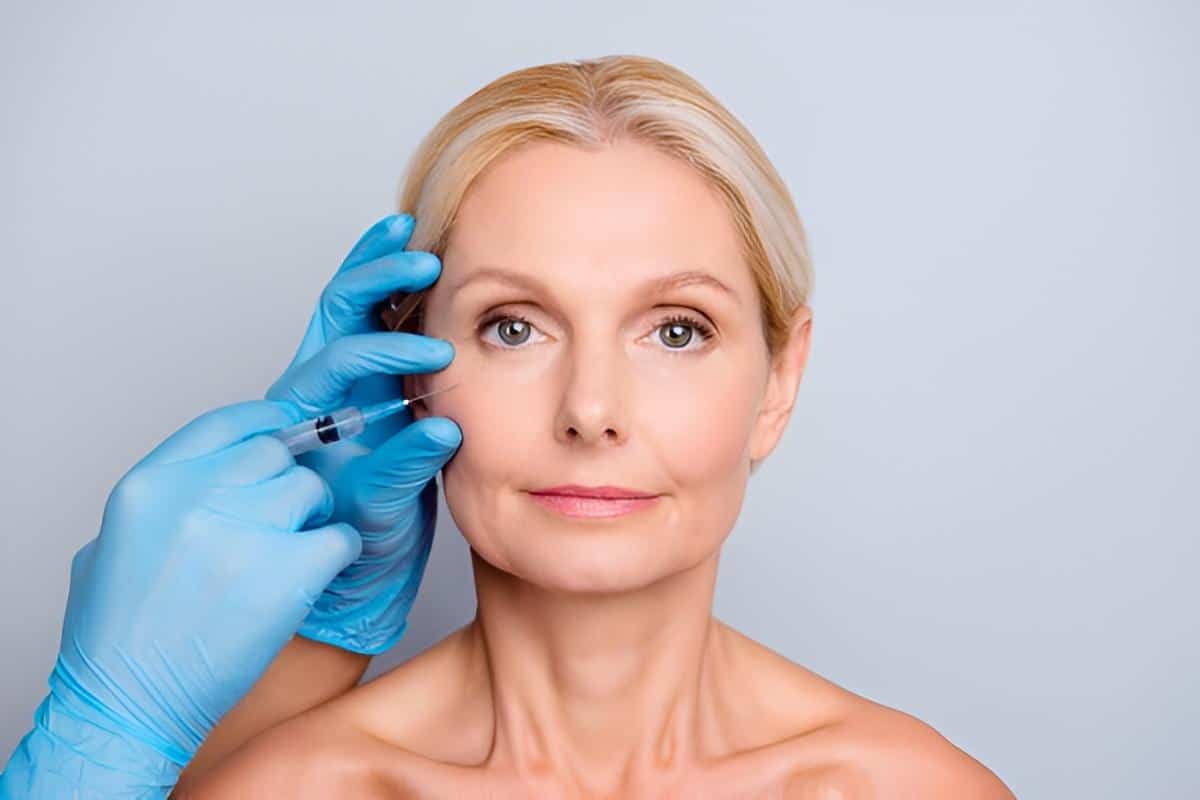
Botox and fillers can be used together when the concerns are different but connected. For example, Botox may be used to soften upper-face expression lines, while filler may be used to restore cheek support or improve lower-face balance.

A combined plan does not always mean doing everything at once. Some patients begin with Botox, then consider filler later. Others may address volume first before treating expression lines. The sequence depends on the face, the budget, and the treatment priorities.

A conservative approach is often best, especially for patients new to injectables. Small, thoughtful changes can make the face look refreshed without making the treatment obvious.

Choosing Between Botox and Fillers

Choosing between Botox and fillers starts with the source of the concern. Lines caused by repeated expression usually point toward Botox. Hollowness, flattening, or loss of contour usually points toward filler.

A face can have both concerns at the same time, which is why a personalized assessment is useful. The right injectable treatment should support facial harmony, not change the face into something unfamiliar.

For patients considering Botox vs. fillers, the most helpful starting point is a clear conversation about goals, anatomy, treatment options, expected results, and cost. Once those pieces are understood, the choice becomes much easier.

Sunshine Cosmetic Clinic & Medi Spa Injectables in Kitchener, ON

Sunshine Cosmetic Clinic & Medi Spa offers injectables in Kitchener, ON, for patients who want non-surgical options for facial rejuvenation. Established in 2017, the clinic has grown into an award-winning, top-rated medical spa serving the Kitchener-Waterloo area.

Our team provides a full range of non-surgical aesthetic procedures, including Botox Kitchener treatments and dermal fillers Kitchener services. Treatments are performed using Health Canada and FDA-approved premium injectables, along with advanced technologies chosen to support safety, comfort, and consistent standards of care.

Book Your Botox Consultation in Kitchener Today.

Frequently Asked Questions

What is the main difference between Botox and fillers?

Botox helps relax targeted muscles that cause expression lines, while fillers restore volume, structure, or contour beneath the skin.

Which is better for forehead wrinkles, Botox or fillers?

Botox is usually the better option for forehead wrinkles because these lines are commonly caused by repeated muscle movement.

Are dermal fillers better for volume loss?

Dermal fillers are typically used for volume loss because they can add support to areas such as the cheeks, lips, chin, jawline, or under-eye area.
Pre and Post Care Instructions for Energy-Based Cosmetic Treatments

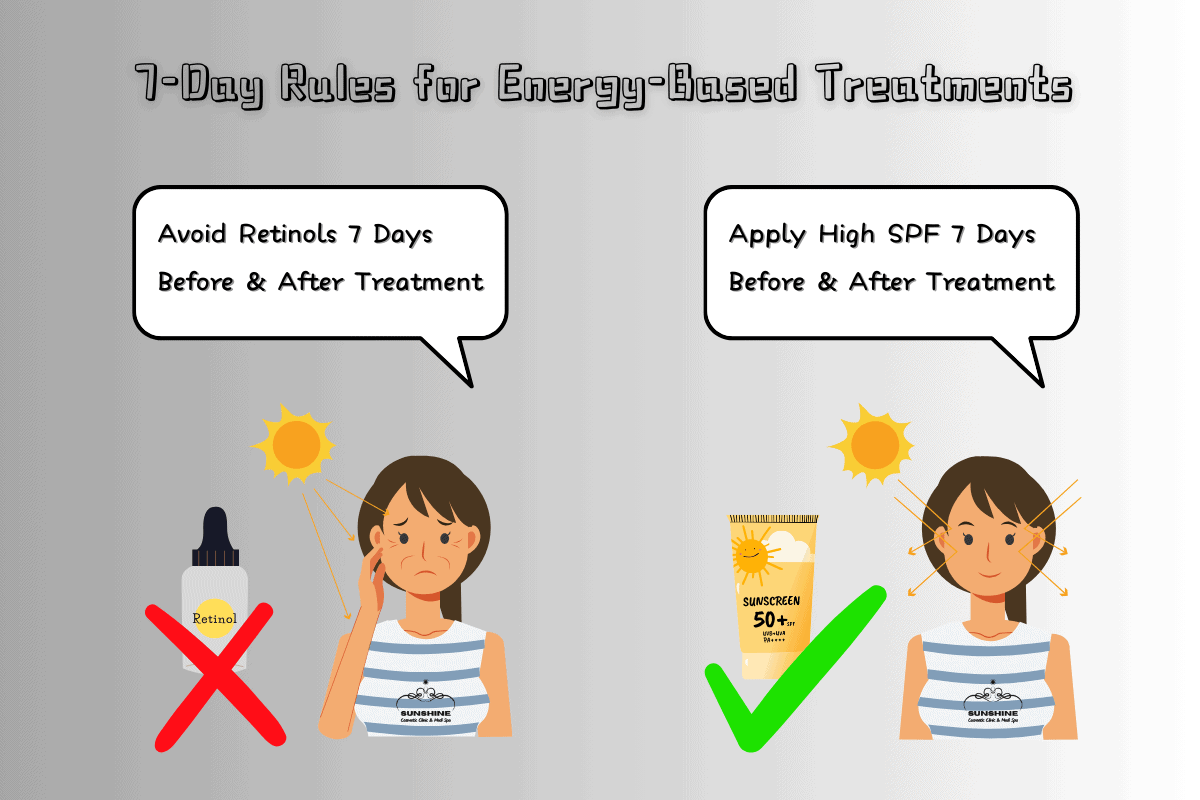
Energy-based cosmetic treatments, such as laser, radio-frequency (RF), intense pulse light (IPL) and ultrasound, are popular for their effectiveness in tightening the skin, reducing wrinkles, removing pigmentation, and addressing other skin concerns. However, to ensure the best results and minimize potential side effects, proper pre and post-treatment care is crucial. Here are some essential guidelines to follow, along with some recommended skincare products to use after the procedures. Among these recommendations, the most vital aspect is what we called the 7-Day Rules for Energy-Based Treatments.

Important Pre-Treatment Care

  1. Avoid Retinols 7 Days Before Treatment Retinols, a form of Vitamin A, are widely used in skincare products for their ability to improve skin texture and reduce signs of aging. However, they can increase skin sensitivity and irritation. Similar skin-irritating products are Retinoids, Vitamin C, Glycolic Acid, Tretinoin, Alpha Hydroxy Acids (AHAs), and Beta Hydroxy Acids (BHAs), etc. To prepare your skin for energy-based treatments, it is recommended to stop using these kinds of products at least 7 days before the procedure. This helps reduce the risk of excessive irritation and ensures your skin is in optimal condition for the treatment.

  2. Apply High SPF 7 Days Before Treatment Protecting your skin from UV damage is essential, especially before undergoing any cosmetic treatment. Start applying a high-SPF sunscreen (SPF 30 or higher such as SkinCeuticals® Physical Fusion Defense SPF 50) at least 7 days before your scheduled treatment. This protects your skin from UV rays, reducing the risk of sunburn and hyperpigmentation, which can complicate the treatment and recovery process. At Sunshine Cosmetic Clinic & Medi Spa, we recommend using sun cream daily for optimal skin health and anti-aging benefits.

Important Post-Treatment Care

  1. Avoid Retinols 7 Days After Treatment Just as before the treatment, avoiding retinols and similar skin-irritating products mentioned above for 7 days post-treatment is crucial. Energy-based treatments can make your skin more sensitive, and using skin-irritating products too soon can exacerbate irritation and delay the healing process. Allow your skin the time it needs to recover fully before reintroducing these products into your skincare routine.

  2. Apply High SPF 7 Days After Treatment Post-treatment, your skin is more vulnerable to UV damage. Continue using a high SPF sunscreen diligently for at least 7 days after the procedure. This helps prevent complications such as post-inflammatory hyperpigmentation and ensures your skin heals properly without additional damage from the sun.

Additional Post-Treatment Pro Tips

  • Avoid Excessive Heat: Steer clear of hot showers, saunas, steam rooms, and excessive heat exposure for a few days after the procedure, as the skin may be more sensitive.
  • Avoid Exfoliation: Refrain from using exfoliating products or procedures (like chemical peels) for a few days.
  • No Scrubbing: Do not scrub, rub, or pick at the treated area, as this can increase the risk of irritation or infection.
  • Follow Professional Advice: Always adhere to the specific guidelines and recommendations provided by your healthcare provider or dermatologist. They may have additional instructions tailored to your individual needs and the type of treatment you received.

Recommended Post-Treatment Skincare Products 

For optimal post-treatment care following energy-based treatments, medical-grade skincare products should be considered. These products are designed to efficiently hydrate the skin, calm any irritation, repair the skin barrier, and provide protection from the sun. Here are some recommended skincare products along with professional instructions:

  • SkinCeuticals® Phyto Corrective Gel: This soothing gel is infused with botanical extracts that calm and hydrate the skin, making it ideal for post-treatment care. Apply it immediately after the treatment and continue using it at least once a day for a week.
  • ZO Skin Health® Hydrating Crème: Offering intense hydration, this crème helps soothe dry and irritated skin, making it perfect for use right after energy-based treatments to replenish moisture.
  • SkinCeuticals® Hydrating B5 Gel: An oil-free moisturizer containing hyaluronic acid, this gel provides optimal hydration without clogging pores, making it suitable for maintaining moisture levels on the treatment day and after.
  • SkinCeuticals® Sheer Physical UV Defense SPF 50: This broad-spectrum sunscreen with 100% mineral filters is designed to protect sensitive, post-treatment skin from UV damage. It’s crucial to apply sunscreen daily to prevent further damage to the skin.
  • ZO Skin Health® 10% Vitamin C Self-activating Serum: A powerful antioxidant serum that brightens the skin tone, reduces signs of aging, and protects against environmental damage. Start using it in the morning 3 days post-treatment for maximum benefits.
  • SkinCeuticals® C E Ferulic: Another potent antioxidant serum that helps protect the skin from environmental damage. Begin using it 3 days after the treatment in the morning to enhance skin protection.


By following these pre and post-treatment care instructions and incorporating the recommended products into your skincare routine, you can maximize the benefits of your energy-based cosmetic treatments while minimizing the risk of adverse effects.

Sunshine Cosmetic Clinic & Medi Spa is the leading laser clinic in Kitchener Waterloo area. We offer over 10 unique energy-based treatments such as Morpheus8, IPL, Ultherapy®, PicoSure®, TempSure®, Forma®, etc., for anti-aging, skin tightening, face lift, skin rejuvenation and more. We also carry all the above-mentioned medical-grade skincare products to complement the treatments. Schedule your complimentary consultation with professional skin analysis today!

Botox vs. Dermal Fillers – What’s the Difference?

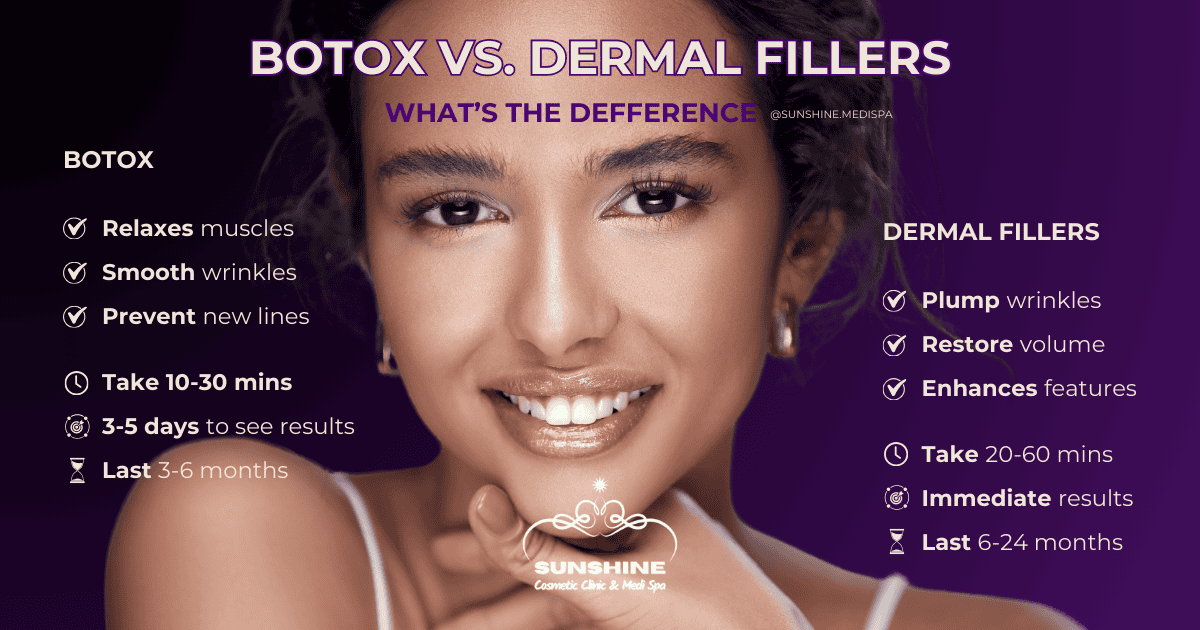
Both Botox and dermal fillers are popular cosmetic injectables used to address signs of aging. They both require minimal downtime, and provide natural-looking results. But they work in different ways:

Botox:

  • Function: Relaxes muscles.
  • Main Ingredient: Botulinum toxin
  • Targets: Wrinkles caused by muscle movement, such as frown lines, crow’s feet, and forehead lines.
  • Results: Smoothes wrinkles and prevents new ones from forming due to muscle movement.
  • Duration: Effects typically last 3-6 months.


Dermal Fillers:

  • Function: Adds volume and fullness to areas that have lost it due to aging.
  • Main Ingredient: Hyaluronic acid (most common)
  • Targets: Wrinkles, creases, sunken cheeks, thin lips, and facial contours.
  • Results: Plumps up wrinkles, restores volume, and enhances facial features.
  • Duration: Varies depending on the type of filler and the area treated, typically lasting 6 months to 2 years.
 
The biggest differences between Botox and dermal fillers are:
 
  • Botox reduces fine lines and wrinkles by paralyzing the underlying muscles, whereas dermal fillers fill in or smooth out deep wrinkles and folds. 
  • Botox is more effective in reducing dynamic wrinkles caused by muscle movements, such as those when you smile, laugh or squint. Dermal filers, on the other hand, are a better treatment option for static wrinkles that are caused by a loss of elasticity and collagen in your skin or damage due to the sun or smoking. Note that some treatment areas may overlap, e.g., crow’s feet and forehead lines. 
We offer a Botox and dermal filler combined solution for facial contouring in Waterloo Kitchener area.

The best way to determine which injectable in Kitchener Waterloo area is more suitable for you is to schedule a complimentary consultation with us. But keep in mind that Botox and dermal filler can sometimes be combined in one treatment to achieve better facial enhancement results. This procedure is called Liquid Facelift. For instance, someone may use Botox to correct lines between the eyes and dermal filler to restore volume under the eyes. Similarly, we offer another Botox and dermal filler combined treatment called Sunshine Signature Contouring for sculpting and reshaping the jawline and chin.

Transform your look with confidence! At Sunshine Cosmetic Clinic & Medi Spa, we offer the most advanced cosmetic injection services in the KW area, tailored to your needs. Click the button below to book a complimentary consultation with us today!

Which Is The Best Under The Eye Filler?

The quest for youthful, radiant skin often leads us to explore various cosmetic treatments, and under-eye fillers have gained popularity for their ability to address concerns such as dark circles, hollows, and fine lines. With a plethora of options available, it can be overwhelming to choose the right under-eye filler for your needs. In this guide, we’ll explore some of the best under-eye fillers on the market to help you achieve a refreshed and rejuvenated appearance.

Understanding Under Eye Fillers

What Are Under Eye Fillers?: Under eye fillers, also known as tear trough fillers or under-eye injections, are cosmetic treatments designed to add volume and improve the appearance of the under-eye area. They typically consist of hyaluronic acid-based injectable gels, which are carefully administered by trained medical professionals to address concerns such as hollowing, dark circles, and fine lines.

How Do Under Eye Fillers Work?: Under eye fillers work by replenishing lost volume and stimulating collagen production in the delicate under-eye area. The hyaluronic acid gel attracts and retains moisture, hydrating the skin and plumping up hollow areas. This results in a smoother, more youthful appearance, with reduced visibility of dark circles and wrinkles.

Benefits of Under Eye Fillers: Under eye fillers offer numerous benefits, including immediate results, minimal downtime, and natural-looking outcomes. They can help improve the appearance of tired, sunken eyes, restore lost volume, and rejuvenate the overall appearance of the face. Additionally, under eye fillers are a non-invasive alternative to surgical procedures, making them a popular choice for those seeking to enhance their under-eye area without undergoing surgery.

The Best Under Eye Fillers

Restylane: Restylane is a leading hyaluronic acid filler known for its ability to smooth fine lines and wrinkles, including those in the under-eye area. With its patented NASHA (Non-Animal Stabilized Hyaluronic Acid) technology, Restylane provides long-lasting results and a natural-looking finish. It’s a popular choice among both patients and practitioners for its safety profile and effectiveness in treating under-eye concerns.

Juvederm: Juvederm is another hyaluronic acid filler widely used for under-eye rejuvenation. With its smooth gel consistency and built-in lidocaine for added comfort, Juvederm helps to restore volume and hydration to the under-eye area, reducing the appearance of dark circles and hollows. Juvederm fillers are FDA-approved and offer predictable, long-lasting results with minimal downtime.

Belotero: Belotero is a versatile hyaluronic acid filler that’s specifically formulated for use in delicate areas such as the under eyes. Its unique Cohesive Polydensified Matrix (CPM) technology allows for smooth, even distribution and integration with the surrounding tissues, resulting in natural-looking results that last. Belotero is an excellent choice for addressing fine lines, hollows, and other under-eye concerns.

Calcium Hydroxylapatite Fillers

Calcium hydroxylapatite (CaHA) fillers are another option for under-eye rejuvenation. CaHA fillers contain tiny particles of calcium suspended in a gel-like solution. When injected into the under-eye area, these particles stimulate collagen production, leading to improved skin elasticity and firmness over time.

One popular CaHA filler used for under-eye treatment is Radiesse. Radiesse is FDA-approved for cosmetic use and can help reduce the appearance of dark circles, hollows, and wrinkles around the eyes. It provides immediate volume correction and continues to stimulate collagen production for long-lasting results.

Choosing the Right Under Eye Filler

Consultation with a Qualified Provider: When choosing an under-eye filler, it’s essential to schedule a consultation with a qualified and experienced medical provider. During the consultation, your provider will assess your unique concerns, skin type, and aesthetic goals to determine the most suitable filler and treatment plan for you.

Consideration of Safety and Effectiveness: While there are several options available, it’s important to prioritize safety and effectiveness when selecting an under-eye filler. Opt for FDA-approved fillers administered by trained medical professionals in a reputable medical setting to ensure optimal results and minimize the risk of complications.

Personalized Treatment Approach: Keep in mind that the best under-eye filler for you will depend on factors such as your skin condition, desired outcome, and budget. Your provider will work with you to develop a personalized treatment approach that addresses your specific concerns and achieves your aesthetic goals, ensuring that you achieve natural-looking and long-lasting results.

Conclusion

Under eye fillers offer a safe and effective solution for rejuvenating the under-eye area and achieving a more youthful appearance. By understanding the different filler options available and consulting with a qualified provider, you can find the best under-eye filler to address your concerns and enhance your natural beauty.

What is Jawline Contouring? Does it Work?

A chiseled jawline is increasingly popular as an aesthetic goal to enhance one’s facial appearance. Jawline contouring procedures aim to define and sharpen the jawline through various techniques. As you consider options to improve your jawline definition, understanding exactly what jawline contouring entails and its effectiveness can help determine if it may be right for you.

What is Jawline Contouring?

Jawline contouring refers to procedures that target the jaw area to create a more structured look. Common concerns include lack of jawline definition, excess fat or fullness along the jaw, or an under projected chin. The overall goal is to enhance the angularity of the jawline to achieve a more youthful and sculpted facial profile.

The specific approach depends on individual anatomy and aesthetic objectives. Available options range from nonsurgical dermal filler injections to chin augmentation surgery. The chosen technique alters the jaw’s dimensions for optimal facial balance and a sharply contoured appearance.

Dermal Filler Contouring Treatments

Dermal filler injections along the jaw can add a definition for moderate enhancement without surgery. Hyaluronic acid fillers are used for adjusting facial contours. Strategic placement of the filler product bolsters volume along the jawline to sharpen its angle and create a slimming effect.

Results from filler injections are immediate but not permanent. 

While initially dramatic looking, maintenance sessions are needed to sustain the sculpted jawline as the fillers gradually dissipate. Yet dermal fillers pose a low-risk option for non-invasive recontouring.

Surgical Reshaping Approaches

For permanent jawline transformation, surgical contouring delivers longer-lasting refinement. Two main procedures include:

  • Chin augmentation – Implants or cartilage grafting to enlarge the chin. Augmentation helps balance facial proportions for better-defined jaw angles.

  • Liposuction – Eliminates fat deposits along the jaw and under the chin. Removal of fullness slims the lower face for improved contour.

Such surgical enhancement options require an experienced cosmetic surgeon. Procedures are tailored during an initial consultation based on your anatomy and particular trouble spots needing correction.

Does Jawline Contouring Work?

Outcomes depend on the specific technique as well as one’s facial structure. Nonsurgical filler injections offer instantly visible but temporary increase the volume. Maintaining the achieved contour requires repeat treatments over time.

Meanwhile, actual bone and tissue modification from surgical contouring brings longer-lasting refinements. But, surgery comes with extended recovery and higher risks for complications.

Most importantly, realistic expectations are necessary when considering any jawline-enhancing procedures. Understanding limitations based on your unique anatomy helps set appropriate goals.

Conclusion

Overall, jawline contouring offers men and women a viable approach to facial profile enhancement. The array of options allows customization based on each patient’s needs and cosmetic vision. By carefully researching experienced surgeons and procedures well suited to your anatomy, jawline goals can become a reality. 

If you are in Kitchener-Waterloo area and thinking of getting jaw contouring, schedule an appointment with Sunshine Cosmetic Clinic & Medi Spa. Your experience with us will be great.

What To Expect For Your First-Time Dermal Filler Treatment?

If you’re considering a dermal filler treatment, you might be wondering what the experience will be like. Fear not! We’re here to walk you through the process step by step in simple terms. Let’s dive in!

Before Your Appointment

Consultation: 

Before your treatment, you’ll likely have a consultation with a trained professional. This is the time to discuss your goals and ask any questions you may have. Don’t hesitate to share your concerns, allergies, or medical history.

Preparation: 

It’s usually a good idea to avoid certain things before your appointment, like alcohol and blood-thinning medications, to minimize bruising risk. Follow your provider’s instructions carefully.

The Treatment Day

Arrival: 

On the day of your appointment, arrive a bit early to complete any necessary paperwork. This is also the time to discuss any last-minute concerns with your provider.

Numbing: 

Dermal filler treatment may involve a numbing cream or local anesthesia to minimize discomfort. However, this procedure can be unnecessary as today mainstream dermal filler brands are already formulated with lidocaine to reduce pain. Lidocaine can also help reduce bruising and swelling, promoting quicker recovery. 

The Injection: 

Your provider will use a very fine needle to inject the dermal filler into the targeted areas. You might feel a slight pinch from the needle, but it’s usually not painful. They might also use a cannula, which is a thin, flexible tube. The whole process is usually quick, taking about 15-30 minutes, depending on the area(s) being treated.

During the Procedure

Communication: 

Stay in touch with your provider during the procedure. If you feel any discomfort or have questions, don’t hesitate to speak up. They can adjust their technique to ensure you’re comfortable.

Monitoring:

Your provider will carefully monitor the amount of filler being injected to achieve the desired results. They might use a mirror so you can see the progress.

Immediate Results: 

You’ll notice immediate changes in the treated areas. However, there might be some swelling or redness initially, which is normal and temporary.

Aftercare and Recovery

Post-Treatment Care: 

Your provider will give you specific aftercare instructions. This might include avoiding vigorous exercise, saunas, or excessive sun exposure for a few days. Following these guidelines will help optimize your results.

Swelling and Bruising: 

It’s common to experience some swelling and possibly bruising after the treatment. Applying a cold compress can help reduce these effects. They should subside within a few days.

Results: 

Over the next few weeks, you’ll see the full results as any initial swelling goes down. Dermal fillers are not permanent, so you might need touch-up sessions to maintain your desired look.

Enjoy Your New Look: 

Most importantly, enjoy your refreshed appearance! Dermal fillers can enhance your natural beauty and boost your confidence.

Conclusion

Dermal filler treatments are a popular and effective way to rejuvenate your appearance. Remember, the process is quite straightforward. Consultation, numbing, injections, and aftercare – that’s the basic outline. It’s a minimally invasive procedure with minimal downtime, making it a convenient option for those looking for a little extra confidence boost!

If you’re considering dermal fillers, make sure to choose a qualified provider who can address your concerns and guide you through the process. With the right professional and proper aftercare, you’ll be on your way to enjoying a refreshed and revitalized look!

Sunshine Cosmetic Clinic & Medi Spa is a leading clinic for dermal fillers in Kitchener Waterloo area. We offer FDA and Health Canada approved, premium dermal filler brands like Restylane®Juvéderm®Sculptra®, with the latest dermal filler injection techniques. If you are looking for dermal filler injections in Waterloo region, we are happy to assist. Book a complimentary consultation with us today by clicking the button below!

Dermal Filler

Sign Up For This Super Deal Now!

*Applied to new clients only