Lip Fillers: What to Expect in Terms of Cost, Results, and How Long They Last

Lip fillers can add shape, volume, and definition while keeping your look balanced and natural. If you are considering treatment, understanding cost, expected results, and how long fillers last can help you feel more confident before booking. At Sunshine Cosmetic Clinic & Medi Spa, lip filler treatments are designed around your features, goals, and comfort, with a focus on safe care and refined results.

What Lip Fillers Are Made Of

Most modern lip fillers are formulated with hyaluronic acid. These hyaluronic acid fillers are commonly administered to patients since the substance is naturally occurring in the body. It helps retain and can create a smoother, fuller appearance when placed carefully in the lips.

In aesthetic treatments, lip fillers can be used to support lip structure, restore lost volume, improve definition, and soften the look of fine lines around the mouth. Some are able to restore volume to one’s aging lips. The formula chosen may depend on the patient’s lip tissue, desired level of volume, and whether the goal is definition, hydration, or more noticeable fullness.

Not every filler behaves the same way. Some products are softer and better suited for subtle shaping, while others may provide more structure. This is one reason consultations matter. The product should match the treatment plan, not the other way around.

What Affects Lip Fillers Cost?

The exact lip fillers cost can vary from one clinic to another. Pricing is usually influenced by the type of filler used, the amount required, the injector’s experience, and the clinic’s location. Some patients only need a small amount of filler for definition, while others may need more product to restore volume or improve overall shape.

A few variables that can affect price are the following:

  • The number of syringes used
  • The filler brand or formula
  • The injector’s training and qualifications
  • The complexity of the treatment plan
  • The clinic’s location and appointment structure
  • Follow-up needs after the treatment

It is typical for lip filler patients to ask about lip injections cost in Canada since pricing may differ across provinces and cities. In Canada, lip filler treatments are often priced per syringe or by treatment plan. A lower price is not always the better value if the injector lacks proper training or if the treatment is rushed. Lips are delicate and highly visible, so experience and technique should carry more weight than price alone.

How Much Filler Do You Need?

The amount of filler needed is dependent upon the patient’s starting point and goal. A patient with naturally thin lips may need a different plan than someone who already has volume yet aims for a sharper border or more balance between the upper and lower lip.

Many first-time patients choose a conservative approach. Starting with a modest amount allows the lips to settle naturally. This even gives the injector room to adjust for future appointments as needed. Adding filler gradually can also help avoid an overfilled look.

Lip filler does not need to change your entire appearance. Small refinements can make the lips look more hydrated, defined, or proportional without making the treatment obvious.

What Lip Fillers Results Can Look Like

Good lip fillers results should be based on your anatomy, not a photo of someone else’s lips. Inspiration photos can help explain your preferences, but your injector should also explain what is realistic for your natural lip shape.

Results may include:

  • Fuller-looking lips
  • More definition along the lip border
  • Better balance between the top and bottom lip
  • A softer look to fine lines around the mouth
  • A more hydrated appearance
  • Subtle correction of uneven areas

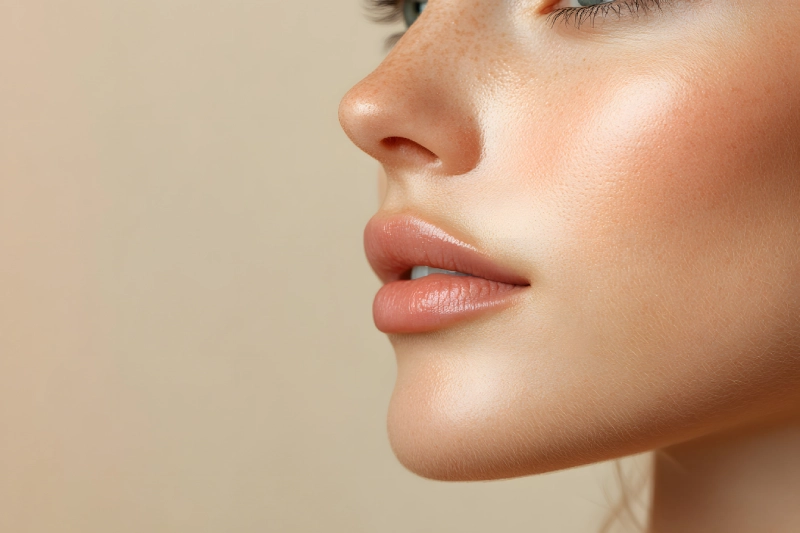
A helpful way to view lip filler before and after results is to look for balance, not just the size. It is important to emphasize that the lips should work with the chin, nose, cheeks, and overall facial shape. Before and after photos are effective in showing how different treatment goals look in real patients.

Lip Filler Swelling Timeline

Swelling is a normal part of the healing process, and knowing the lip filler swelling timeline can help prevent unnecessary worry. Everyone heals differently, but there is a general pattern many patients experience.

During the first 24 hours, lips may look swollen, tender, or slightly uneven. Bruising can also appear, especially if you bruise easily. The lips may feel firm or more noticeable than expected during this stage.

Around days two to three, swelling can still be present and may even look more obvious for some patients. This does not mean the final result is too large. The lips are still settling.

By days four to seven, swelling often starts to decrease. The shape becomes easier to see, and tenderness usually improves.

After about two weeks, the filler has typically settled more fully. This is when many providers assess the final result and decide whether any small adjustment is needed.

Judging the outcome too early can lead to unnecessary concern. It is best to follow your injector’s aftercare instructions and allow the lips enough time to heal before making decisions about touch-ups.

How Long Do Lip Fillers Last?

A common question is how long do lip fillers last. In many cases, hyaluronic acid lip fillers last around six to twelve months. Some people may notice results fading sooner, while others may enjoy their results longer.

Longevity can depend on:

  • Patient metabolism
  • Patient’s natural lip movement
  • Patient lifestyle and aftercare
  • How often does the patient maintain treatment
  • The type of filler used
  • The amount of filler placed

The lips move constantly when speaking, eating, smiling, and expressing emotions. Due to these actions, filler in the lips may break down faster than filler in less active areas of the face. Maintenance appointments can help keep the look consistent. However, the timing should be based on how your lips respond rather than a fixed schedule for everyone.

What to Expect During the Appointment

A lip filler appointment usually begins with a consultation. Your provider will review your goals, medical history, facial structure, and any previous injectable treatments. This is also the time to talk about shape, volume, budget, and comfort level.

Before treatment, the lips are cleaned and may be numbed to reduce discomfort. The injector then places the filler in specific areas based on the plan. Some treatments focus on the border of the lips, while others focus on volume, hydration, or contour.

After injections, your provider may gently assess the shape and give you aftercare instructions. You may be advised to avoid strenuous exercise, alcohol, excessive heat, and pressure on the lips for a short period. Following these instructions can support smoother healing.

Sunshine Cosmetic Clinic & Medi Spa Lip Fillers in Waterloo, ON

Patients looking for lip fillers in Waterloo, lip injections in Waterloo, ON, or dermal fillers in Waterloo often want a clinic that takes both safety and natural-looking results seriously. Sunshine Cosmetic Clinic & Medi Spa offers lip filler injection treatment in Waterloo, ON, for patients who want to restore volume, redefine the lips, or address thinning that can happen with age.

Our team serves patients in the Kitchener-Waterloo area and offers consultations for those considering lip filler treatment. A consultation allows the team to review your goals, explain suitable options, and recommend an approach based on your natural lip shape.

Book Your Lip Filler Consultation in Waterloo Today.

Frequently Asked Questions

How much do lip fillers cost?

Lip fillers cost can vary based on the filler used, the amount needed, the injector’s experience, and the clinic location.

How long do lip fillers last?

Lip fillers often last around six to twelve months, although results can vary depending on your metabolism, filler type, and treatment plan.

What results can I expect from lip fillers?

Lip fillers results may include added volume, improved definition, better symmetry, smoother fine lines, and a more hydrated appearance.

Botox vs Fillers: Understanding Wrinkle Reduction vs Volume Restoration for Facial Rejuvenation

Botox and dermal fillers are often mentioned together, but they address different parts of facial aging. Botox helps soften wrinkles caused by repeated facial movements, while fillers restore volume and support in areas that have gradually lost volume over time. Understanding how each treatment works can make it easier to choose the option that fits your facial concerns and aesthetic goals.

Botox is commonly used for wrinkles that appear because of repeated facial expressions. Frowning, squinting, smiling, and raising the eyebrows all involve muscle contraction. Over time, these movements can leave lines that stay visible even when the face is relaxed.

Botox works by temporarily reducing activity in selected muscles. When those muscles contract less strongly, the skin above them can look smoother. This is why Botox is often used for forehead lines, frown lines between the brows, and crow’s feet around the eyes.

The goal should not be a stiff or expressionless result. A measured approach allows the face to keep natural movement while softening lines that make someone look tired, tense, or older than they feel.

This is the wrinkle-reduction side of Botox for wrinkles vs fillers for volume. Botox is usually chosen when the main issue is dynamic wrinkling, meaning lines caused by muscle movement rather than facial hollowing.

Fillers for Volume Loss and Facial Support

Dermal fillers work in a different way. Instead of relaxing muscles, fillers add structure under the skin. Many commonly used fillers are made with hyaluronic acid, a substance that helps attract moisture and support volume.

Volume loss can show up as flatter cheeks, deeper smile lines, thinner lips, under-eye hollowing, or less definition along the jawline and chin. These changes are not usually caused by muscle movement alone. They often happen because fat pads shift, collagen declines, and facial support gradually changes with age.

Fillers can be used to restore softness in areas that look hollow or depleted. They may also be used to refine certain features, such as the lips, chin, or jawline. The best results usually come from placing the right amount in the right area, not from adding unnecessary fullness.

This is the volume-restoration side of Botox for wrinkles vs fillers for volume. Fillers are often more suitable when the concern is shape, contour, or support rather than expression lines.

Botox vs Fillers Results: What Patients Usually Notice

The timeline and visual effect are different for each treatment, which is an important part of understanding Botox vs. fillers results.

Botox does not create an instant change. Results usually appear gradually as the targeted muscles begin to relax. Many patients start noticing a difference within several days, with the full effect often seen around two weeks. The treated area may look smoother, especially during facial expressions.

Fillers usually create more immediate visible change because they add volume at the time of treatment. The final result may still settle over several days or weeks as swelling improves and the product integrates with the tissue.

The type of result is also different. Botox can make a face look more rested by softening lines caused by movement. Fillers can make the face look more balanced by restoring areas that have lost volume or definition.

One treatment is not meant to copy the other. Botox will not lift hollow cheeks or restore lip volume. Fillers will not stop forehead muscles from creating expression lines. In many cases, the clearest improvement comes from matching the treatment to the cause of the concern.

Fillers vs Botox Cost: What Affects Pricing?

The topic of fillers vs botox cost can be confusing because the treatments are priced differently. Botox is often priced by unit or by treatment area. Fillers are commonly priced by syringe, product type, and treatment area.

Several factors can affect the total cost:

  • The amount of product needed
  • The area being treated
  • The injector’s training and experience
  • The type and brand of injectable used
  • The clinic’s safety standards and follow-up process
  • The complexity of the treatment plan

A small Botox treatment for frown lines may cost less than a filler treatment for cheeks or jawline because the product amount and technique are different. At the same time, a full-face Botox plan may cost more than a small filler enhancement.

Cost should be considered carefully, but it should not be the only factor. Injectables involve facial anatomy, product selection, and precise placement. A lower price is not always a better value if it compromises assessment, technique, or safety.

Anti-Aging Injectables Comparison: Which One Fits the Concern?

A clear anti-aging injectables comparison starts with identifying what is actually changing in the face.

Botox may be appropriate for:

  • Forehead lines
  • Frown lines
  • Crow’s feet
  • Lines that appear with facial expression
  • Muscle tension that contributes to a stern or tired look

Fillers may be appropriate for:

  • Cheek volume loss
  • Deeper folds around the mouth
  • Thinning lips
  • Under-eye hollowing
  • Chin or jawline definition
  • Facial balancing

Some concerns involve both movement and volume loss. For example, lines around the mouth may be affected by facial movement, skin quality, and changes in support. In that case, a provider may recommend one treatment first or discuss a combination plan.

The best injectable plan should be based on facial structure, not trends. A person with strong forehead movement may benefit from Botox. Someone with midface volume loss may be better suited for filler. Another person may need only a conservative treatment plan and maintenance over time.

Can Botox and Fillers Be Used Together?

Botox and fillers can be used together when the concerns are different but connected. For example, Botox may be used to soften upper-face expression lines, while filler may be used to restore cheek support or improve lower-face balance.

A combined plan does not always mean doing everything at once. Some patients begin with Botox, then consider filler later. Others may address volume first before treating expression lines. The sequence depends on the face, the budget, and the treatment priorities.

A conservative approach is often best, especially for patients new to injectables. Small, thoughtful changes can make the face look refreshed without making the treatment obvious.

Choosing Between Botox and Fillers

Choosing between Botox and fillers starts with the source of the concern. Lines caused by repeated expression usually point toward Botox. Hollowness, flattening, or loss of contour usually points toward filler.

A face can have both concerns at the same time, which is why a personalized assessment is useful. The right injectable treatment should support facial harmony, not change the face into something unfamiliar.

For patients considering Botox vs. fillers, the most helpful starting point is a clear conversation about goals, anatomy, treatment options, expected results, and cost. Once those pieces are understood, the choice becomes much easier.

Sunshine Cosmetic Clinic & Medi Spa Injectables in Kitchener, ON

Sunshine Cosmetic Clinic & Medi Spa offers injectables in Kitchener, ON, for patients who want non-surgical options for facial rejuvenation. Established in 2017, the clinic has grown into an award-winning, top-rated medical spa serving the Kitchener-Waterloo area.

Our team provides a full range of non-surgical aesthetic procedures, including Botox Kitchener treatments and dermal fillers Kitchener services. Treatments are performed using Health Canada and FDA-approved premium injectables, along with advanced technologies chosen to support safety, comfort, and consistent standards of care.

Book Your Botox Consultation in Kitchener Today.

Frequently Asked Questions

What is the main difference between Botox and fillers?

Botox helps relax targeted muscles that cause expression lines, while fillers restore volume, structure, or contour beneath the skin.

Which is better for forehead wrinkles, Botox or fillers?

Botox is usually the better option for forehead wrinkles because these lines are commonly caused by repeated muscle movement.

Are dermal fillers better for volume loss?

Dermal fillers are typically used for volume loss because they can add support to areas such as the cheeks, lips, chin, jawline, or under-eye area.

Top Non-Surgical Skin Rejuvenation Treatments in Kitchener-Waterloo for Younger-Looking Skin

Skin concerns rarely come one at a time, and waiting for them to worsen is never the best approach. Today’s non-surgical cosmetic treatments offer a more efficient way to smooth fine lines, improve tone, and restore a firmer, refreshed appearance without surgery or extended downtime. At a trusted medical spa Kitchener Waterloo clients rely on, the right combination of treatments can deliver visible, natural-looking results while supporting your skin long term.

What Skin Rejuvenation Treatments Are Designed to Improve

Most modern skin rejuvenation treatments in Waterloo clinics offer are built around improving skin quality at various levels. Some work on the surface, while others target deeper layers where collagen is produced.

Common concerns these treatments address include:

  • Fine lines and early wrinkles
  • Uneven skin tone or pigmentation
  • Dehydrated or dull skin
  • Acne scars or rough texture
  • Mild skin laxity

The key is not choosing the most aggressive option. It is selecting the right treatment or combination based on what your skin actually needs.

Microneedling for Texture, Scars, and Collagen Support

Microneedling in Waterloo, ON, patients often request is known for its ability to improve overall skin texture without significant downtime.

The treatment uses very fine needles to create controlled micro-injuries in the skin. This process stimulates collagen production, which helps smooth out uneven areas and improve firmness over time.

It is particularly effective for:

  • Acne scarring – This treatment helps break down scar tissue while stimulating collagen to create smoother-looking skin.
  • Enlarged pores – It tightens the surrounding skin, which reduces the appearance of enlarged pores over time.
  • Fine lines – It softens early wrinkles by encouraging collagen and elastin production.
  • Early signs of aging – It supports overall skin renewal, helping maintain a firmer and more even complexion.

Results from this procedure develop gradually, making it a strong option for those aiming to improve skin quality without obvious or sudden changes.

HydraFacial for Hydration and Immediate Glow

When the skin feels congested, dry, or tired, HydraFacial in Waterloo treatments offer a more immediate refresh.

This treatment combines cleansing, exfoliation, extraction, and hydration in one go. It removes impurities while infusing the skin with nourishing serums.

HydraFacial is typically administered to treat:

  • Dehydrated skin – This treatment deeply hydrates the skin, leaving it looking plumper and more refreshed.
  • Dull complexion – It removes dead skin buildup to reveal a brighter and more radiant surface.
  • Mild congestion – It gently clears out pores by extracting impurities and excess oil.
  • Maintenance between more intensive treatments – It helps keep the skin balanced and healthy between more targeted procedures.

Many of our patients include HydraFacial as part of a regular skincare routine, especially before events or seasonal changes.

Sculptra for Gradual Volume Restoration

Sculptra is renowned for taking a different approach compared to traditional dermal fillers. Instead of instantly adding volume, it works by stimulating the body’s natural collagen processes over time.

This effect makes it an ideal procedure for patients noticing:

  • Hollow areas in the cheeks – The technique gradually restores lost volume by stimulating the body’s natural collagen production.
  • Loss of facial structure – Sculptra reinforces the skin’s foundation, improving overall facial contours over time.
  • General thinning of the skin – It strengthens and thickens the skin by promoting long-term collagen growth.

Sculptra results appear gradually, which helps maintain a natural look. It is often used as part of a long-term plan rather than a one-time treatment.

Thread Lift for Subtle Lifting Without Surgery

A thread lift offers a way to lift and reposition areas of the face without surgery.

Dissolvable threads are placed under the skin to gently lift sagging areas, particularly around the jawline, cheeks, and lower face. Over time, these threads also stimulate collagen production.

This treatment is preferable for:

  • Mild to moderate skin laxity – This treatment lifts slightly sagging skin to create a firmer appearance.
  • Early jowl formation – A thread lift procedure smooths the skin by gently removing dead skin cells from the surface. 
  • Jawline definition – It also enhances the jawline by lifting and tightening the surrounding skin.

It bridges the gap between surface treatments and more invasive procedures, making it appealing for those not ready for surgical options.

Jet Peel for Gentle Exfoliation and Infusion

Jet Peel is another option that continues to gain attention for its ability to exfoliate and hydrate without direct contact.

Using pressurized air and liquid, the treatment delivers active ingredients deep into the skin while removing dead skin cells.

It is well-suited for:

  • Sensitive skin – This treatment delivers exfoliation and hydration without causing irritation or discomfort.
  • Uneven texture – It smooths the skin by gently removing dead skin cells from the surface.
  • Early signs of aging – It improves hydration and tone, which helps soften the appearance of fine lines. 
  • Clients who prefer non-invasive treatments with no downtime – It provides noticeable skin improvement without the need for recovery time.

Many clinics offering facials in Waterloo, ON, include Jet Peel as part of advanced facial treatments.

Choosing the Right Medical Spa in Kitchener-Waterloo

Selecting the right provider matters just as much as the treatment itself. Thus, look for a clinic that:

  • Offers a wide range of non-surgical cosmetic treatments
  • Takes time to assess your skin before recommending procedures
  • Builds a treatment plan instead of suggesting a single quick fix
  • Provides options for both maintenance and long-term improvement

An experienced team will guide you through what makes sense now and what can wait. This helps you avoid unnecessary treatments.

Sunshine Cosmetic Clinic and Medi Spa Non-Surgical Facial Services In Kitchener-Waterloo, ON

At Medical Spa In Kitchener-Waterloo, ON, Sunshine Cosmetic Clinic and Medi Spa offers a wide range of non-surgical facial treatments designed to support both short-term results and long-term skin health.

Services include Botox, dermal fillers, microneedling, IPL, laser resurfacing, chemical peels, mesotherapy, and an extensive selection of facials. Clients can choose from more than 30 facial options, including HydraFacial™, OxyGeneo™, JetPeel™ SuperFacials, vampire facial treatments, medical facials, Valmont™ luxury facials, and the Sunshine Signature Facial.

For those searching for a trusted medical spa Kitchener Waterloo residents rely on, Sunshine Cosmetic Clinic and Medi Spa offers consultations to help determine the most suitable approach based on individual skin concerns and goals.

Book Your Free Consultation at a Kitchener-Waterloo Medical Spa Today.

Frequently Asked Questions

Are non-surgical skin rejuvenation treatments safe?

Most non-surgical treatments are considered safe when performed by trained professionals using approved technologies and products.

How long do results from these treatments typically last?

Results vary by treatment, but many last several months to over a year with proper maintenance and follow-up sessions.

Is there any downtime after non-surgical cosmetic treatments?

Many treatments involve little to no downtime, though some may cause mild redness or swelling that resolves within a few days.

How do I know which treatment is right for my skin?

The best way to determine the right option is through a consultation where your skin type, concerns, and goals are carefully assessed.

How Cryotherapy Can Supercharge Your Post-Workout Recovery and Boost Performance

Train hard, recover smarter. If soreness, tightness, or heavy fatigue is slowing your next workout, Cryotherapy can help you bounce back faster by supporting your body’s recovery response, helping reduce muscle soreness, and getting you back to training with better movement and less downtime.

Why soreness hits harder than people expect

Training breaks tissue down so it can rebuild stronger. This process typically includes inflammation, swelling, and microscopic damage to muscle fibers. Add heavy eccentrics, sprint work, high-volume classes, or a long run, and you can end up with soreness that shows up a full day later. 

Moreover, DOMS can be more than annoying. It can reduce the range of motion, alter mechanics, and cause you to skip the session you planned.

Recovery tools matter when they help you stay consistent. However, better recovery means you can keep your form clean, maintain training frequency, and avoid compensations that can lead to overuse problems. 

That’s where cold therapy benefits become relevant, especially for people stacking multiple workouts per week.

What happens in your body during cold exposure

Cold exposure creates a short, controlled stress response. Blood vessels near the skin constrict, and your body prioritizes core temperature. 

Once the cold stops, circulation rebounds. Many people describe a shift from “heavy and inflamed” to “lighter and looser” within the same day.

In practical terms, cold exposure is commonly used for:

  • Inflammation relief when tissues feel irritated after hard training
  • Pain modulation, so soreness feels less intense
  • A refreshed nervous system response, which can help you feel more energized after training blocks

This is not a replacement for protein, hydration, and sleep. Think of the treatment as a support tool that can make those basics work better by reducing the friction. The latter is something that soreness adds to everyday movement.

Post-workout recovery that helps you train again sooner

The most valuable part of post-workout recovery is getting back to quality training without feeling like you’re constantly catching up. Some recovery strategies feel good in the moment, but don’t change much. Cold exposure differs because it targets the swelling and discomfort that often drive poor mechanics.

Many post-workout patients use Cryotherapy after:

  • Heavy lower-body lifting
  • Intense conditioning sessions
  • Long runs or speed work
  • Tournaments, multiple practices, or competition weekends

When soreness is lower, it becomes easier to hit the next session with decent output. This type of consistency is what moves the needle over the long term.

Reduce muscle soreness without relying on “rest days forever.”

Hard training doesn’t always allow extended rest. In most cases, busy schedules, team practices, and personal goals can make “just take more days off” unrealistic. 

The good news is that using recovery tools to reduce muscle soreness can keep you moving without turning every workout into a negotiation with your legs.

In this context, cold exposure may help by:

  • Lowering tissue temperature quickly
  • Reducing the perception of soreness
  • Calming the post-training inflammatory response

Such a combination is often why patients feel more comfortable walking, stretching, and training again sooner. If you’re dealing with severe pain or an injury, that’s a different category, and assessment should come first. For normal training soreness, cold exposure can be a reliable option.

Cryotherapy for athletes who want performance that lasts

It’s important to emphasize that performance is not only about power and speed. It’s also about durability. Many athletes can push hard for a short time, then hit a wall because recovery can’t keep up. 

This is where cryotherapy for athletes is frequently discussed: it supports the ability to repeat quality sessions throughout a week or season.

Athletes often use cold exposure to:

  • Feel less beat up between training days
  • Manage soreness during high-volume weeks
  • Support mobility when tightness starts to accumulate
  • Stay mentally “switched on” after draining sessions

That doesn’t mean cold is always the right choice immediately after every lift. Some athletes avoid intense cold exposure right after hypertrophy sessions because the body’s inflammatory response is part of adaptation. 

A practical approach is using cold exposure during the following situations: heavy conditioning weeks, competition phases, or when soreness is affecting mechanics and sleep.

Boost athletic performance by protecting training quality

Several individuals usually think performance improvements come from adding more work. In reality, a lot of progress comes from protecting the quality of the work you already do. If soreness limits your stride length, changes your squat depth, or makes you shorten warm-ups, training quality drops.

Using Cryotherapy to support recovery can help you:

  • Maintain better movement patterns
  • Keep intensity more consistent
  • Recover faster between sessions
  • Feel sharper for skills training and speed work

When you string together more “good sessions” in a month, you give yourself more chances to improve. That’s one reason recovery support is linked to the goal of boosting athletic performance.

Whole body cryotherapy and sports injury recovery

Not all recovery needs are the same. Standard soreness is different from training-related strain, tendon irritation, or flare-ups that come from repetitive impact. In such situations, cold exposure is often used as part of a broader approach that includes proper assessment, progressive rehabilitation, and strength training.

Whole body cryotherapy is used by some active patients for overall recovery support, especially during periods of high training stress. Cold exposure is also commonly discussed in the context of sports injury recovery, mainly because it can help manage pain and swelling while tissues heal.

Cold doesn’t “heal” an injury by itself, but it can improve comfort, reduce swelling, and help you tolerate movement and rehab work. If pain is sharp, worsening, or associated with instability, medical evaluation should be the first step.

What cryotherapy sessions feel like

A lot of first-timers expect it to be unbearable. Most are surprised by how quickly the body adapts. Cryotherapy sessions are short, and the experience is controlled and supervised in a clinical setting.

Common after-effects people report:

  • Reduced soreness later that day or the next morning
  • A “reset” feeling, like mental fatigue drops
  • Easier movement in tight areas
  • A boost in energy without feeling wired

Hydrating, wearing warm clothing afterward, and following a normal cooldown routine can improve comfort. Your provider will also guide you on timing based on your training schedule and goals.

A simple way to add cryotherapy into your week

If you want a clean, realistic recovery routine:

  • Use cold exposure after high-intensity conditioning or long endurance sessions
  • Consider it during competition phases or heavy training weeks
  • Pair it with light movement, hydration, and quality sleep
  • Track how you feel 24–48 hours later, then adjust timing

Recovery tools should make training easier to repeat, not more complicated. When soreness remains manageable and movement remains clean, progress becomes more predictable.

Cryotherapy in Waterloo & Kitchener

If you’re specifically looking for Cryotherapy in Waterloo & Kitchener, it helps to know what type of cold therapy you’re getting and what it’s designed to treat. Cryotherapy is a cold therapy that uses liquid nitrogen to achieve temperatures below freezing. It can also be used as a cosmetic procedure to treat a variety of skin irregularities.

At Sunshine Cosmetic Clinic & Medi Spa, the team uses the CryoProbe™ cryotherapy device, which is FDA- and Health Canada-approved. The CryoProbe™ Pen uses liquid nitrogen or nitrous oxide along with technology designed to deliver quick, safe, and effective treatments. It’s commonly used to treat benign skin lesions and skin disorders, including skin tags, warts, and porokeratosis.

Book Your Recovery Session!

Frequently Asked Questions

What is Cryotherapy, and how does it support post-workout recovery? 

Cryotherapy exposes the body to very cold temperatures for a short time to support post-workout recovery by easing discomfort and promoting a refreshed, “reset” feeling.

Can Cryotherapy help reduce muscle soreness after training? 

Yes, Cryotherapy can help reduce muscle soreness by cooling overworked tissues and temporarily calming the body’s post-exercise stress response.

Is cryotherapy for athletes useful during heavy training weeks? 

Cryotherapy for athletes is often used during intense training blocks because it can help them feel less fatigued and stay consistent while aiming to boost athletic performance.

Can you combine cryotherapy and professional massage?

Yes, you can combine Cryotherapy and professional massage. Many patients do Cryotherapy first to calm soreness. Then, they follow it with a massage later the same day or the next day to improve mobility and help reduce muscle soreness.

Dry and Rough Skin: Top Causes You Should Know

Dry and rough skin often signals more than a simple lack of moisture. Tightness, flaking, dullness, and uneven texture are signs that the skin’s balance has been disrupted beneath the surface. 

These changes usually develop over time, driven by multiple factors rather than a single cause. As such, it becomes essential to understand what is truly affecting the skin in order to restore hydration, smoothness, and long-term skin health.

Understanding the Skin’s Moisture Barrier

Healthy skin depends on a strong moisture barrier. The latter consists of lipids, natural oils, and structural proteins. These help retain hydration while protecting against environmental stressors.

When the barrier weakens, water escapes more easily. Thus, this situation leads to tightness, rough patches, and increased sensitivity.

Barrier disruption explains many dry and rough skin reasons. This is especially true for patients who experience ongoing dryness despite regular moisturizing. Without barrier repair, topical products often fail to deliver noticeable improvement.

Major Reasons for Dry and Rough Skin

  1. Environmental and Climate-Related Factors

Climate plays a major role in what causes skin dryness. Cold air, wind, and low humidity are known for reducing moisture levels in the skin. On the other hand, indoor heating further accelerates dehydration. 

In warmer months, sun exposure weakens the skin’s protective layers. Eventually, it will lead to long-term moisture loss and uneven texture.

Environmental exposure remains one of the most common dry skin triggers, especially in regions with fluctuating weather patterns.

  1. Skincare Habits That Contribute to Rough Texture

Daily skincare routines often contribute to dryness without patients realizing it. Some cleansers contain strong surfactants that can strip away essential oils. This action leaves the skin feeling tight and vulnerable. Overuse of exfoliants also disrupts the skin’s renewal cycle, creating irritation rather than smoothness.

Excessive exfoliation is a frequent factor behind rough skin texture causes, especially when combined with active ingredients. Examples of these include retinoids and acids, which offer uncertain and inadequate recovery times. Skin requires balance, not constant stimulation, to maintain hydration and resilience.

  1. The Impact of Aging on Skin Hydration

As skin matures, oil production naturally decreases. Moreover, cell turnover slows, collagen levels decline, and the ability to retain moisture weakens. 

The stated changes often result in dryness that feels deeper and more persistent than occasional dehydration.

Age-related changes represent one of the most common causes of dry skin, particularly on the face, neck, and hands. Rough texture often appears before visible lines, making dryness an early sign of skin aging rather than just a cosmetic issue.

  1. Internal Factors and Lifestyle Influences

Skin health reflects internal well-being. Insufficient hydration, nutritional imbalances, and chronic stress can affect the skin’s ability to retain moisture. Add to this consuming foods that lack fatty acids, vitamins, and antioxidants. This practice can compromise the skin barrier, leading to dullness and uneven texture.

  1. Medical and Hormonal Contributors

Certain medical conditions increase the likelihood of dryness and roughness. Eczema, psoriasis, and dermatitis directly affect the skin’s barrier function. Moreover, hormonal fluctuations and thyroid imbalances can alter oil production. Some medications also contribute to dehydration by affecting fluid balance or skin turnover.

  1. Daily Habits That Strip Moisture

Hot showers, frequent bathing, and long exposure to water may remove natural skin oils. Harsh soaps and fragranced body washes are also typical culprits that weaken the skin’s barrier. All of these contribute to a skin vulnerable to dryness and irritation.

Over time, these habits contribute significantly to rough skin texture causes, especially during colder months when skin is already under environmental stress.

Advanced Treatments That Help Improve Dry and Rough Skin

Certain professional skin treatments can address dryness at a deeper level. To achieve this, they restore hydration, support the skin barrier, and improve overall texture. The following services are commonly utilized to improve moisture balance and skin quality.

HydraFacial

HydraFacial refers to a multi-step process that cleanses, exfoliates, extracts, and hydrates the skin. It can deliver deep hydration while infusing nourishing serums. The outcome? A smoother, plumper, and visibly refreshed complexion.

JetPeel

JetPeel is a non-invasive treatment that uses a high-velocity jet stream to exfoliate, hydrate, and infuse the skin with customized serums. The procedure enhances hydration, improves texture, and supports collagen stimulation. In turn, it becomes beneficial for addressing roughness and dullness.

OxyGeneo

OxyGeneo is a 3-in-1 facial treatment. This technique blends exfoliation, oxygenation, and infusion of nutrient-rich serums. It is known for gently removing dead skin cells while improving oxygen levels and delivering essential nutrients. Considering these actions, OxyGeneo produces a more hydrated and revitalized complexion.

Mesotherapy

Mesotherapy involves injecting a customized blend of vitamins, minerals, and hyaluronic acid into the skin. This approach deeply hydrates the skin, restores moisture balance, and improves overall texture by delivering nutrients directly where they are needed.

AquaGold

The AquaGold is a microchanneling treatment designed to deliver specialized serums such as hyaluronic acid and growth factors. These are administered directly into the skin using ultrafine needles. It enhances hydration, refines texture, and supports long-term skin health with minimal downtime.

Skin Booster

Skin Booster treatment utilizes hyaluronic acid injections to deeply hydrate the skin and improve elasticity. It replenishes moisture from within and enhances the skin’s natural radiance, making it effective for persistent dryness and roughness.

Sunshine Cosmetic Clinic & Medi Spa: Dry and Rough Skin in Waterloo, Kitchener & Cambridge

Dry and rough skin in Waterloo, Kitchener & Cambridge affects many patients. This condition often causes discomfort, dullness, and a loss of confidence. 

At Sunshine Cosmetic Clinic & Medi Spa in Kitchener Waterloo, Ontario, dry and rough skin is approached with care, expertise, and individualized solutions.

Our clinic understands that dryness is rarely caused by a single factor. Environmental exposure, lifestyle habits, aging, and skin barrier health all play a role. Sunshine Cosmetic Clinic & Medi Spa offers a range of treatments designed to restore hydration, nourish the skin, and improve texture through customized care plans.

Book your skin consultation today!

Frequently Asked Questions

What causes dry and rough skin to persist despite regular moisturizing?

Dry and rough skin often persists because the skin barrier is compromised, allowing moisture to escape faster than it can be replenished.

Can lifestyle habits contribute to dry skin over time?

Yes, poor hydration, nutritional deficiencies, frequent hot showers, and chronic stress are common causes of dry skin that gradually weaken the skin’s ability to retain moisture.

Why does skin texture become rough even when there is no visible flaking?

Rough skin texture causes include slowed cell turnover and dehydration beneath the surface, which can exist even when the skin appears smooth.

Are professional treatments effective for improving dry and rough skin?

Professional treatments can significantly improve dry and rough skin by delivering hydration and nutrients deeper into the skin than at-home products.

When should someone seek professional care for dry skin concerns?

Professional care is recommended when dry skin becomes persistent, uncomfortable, or unresponsive to over-the-counter skincare solutions.

How Stress and Sleep Impact Men’s Facial Volume

Men often notice volume loss in a photo before they notice it in the mirror. Common signs include flatter cheeks, deeper under-eye hollows, and a jawline that looks less defined. Moreover, stress and poor sleep can speed things up.

The good news is you do not have to live with it. Targeted, non-surgical treatments can restore natural-looking structure and help you look sharper, healthier, and more confident.

What “Facial Volume” Means for Men

Facial volume refers to the combination of bone support, fat pads, muscle tone, collagen, elastin, hydration, and circulation. Through aging, some of these foundations shift naturally. Here’s how:

  • Cheek fat pads can descend
  • Collagen production slows
  • Subtle bone changes occur

For men, facial structure tends to be broader and heavier through the brow and jaw. Thus, volume changes affect definition and balance in very distinct ways.

That is why “male aging and volume loss” can look like a harder, more fatigued expression instead of a softer “aging” look. 

The midface may lose roundness, the temples can appear more hollow, and the area under the eyes can look sunken. These effects can be true even in patients who are otherwise fit. 

Men also carry stress differently in their faces. They often hold tension in the jaw, forehead, and around the eyes. Over time, those patterns can influence how volume loss is perceived.

Stress, Cortisol, and the Face

Stress is not only a mental state. It comes with a physical signal that changes how the body allocates resources. 

Chronic stress keeps the nervous system in a heightened mode. This action increases cortisol and other stress hormones. In short bursts, cortisol helps you respond and perform. When it runs high for long periods, the hormone can reduce the body’s willingness to invest in repair.

Cortisol is linked to collagen breakdown and slower collagen synthesis. Collagen and elastin are part of what keeps the skin supported over the underlying structures. When this support weakens, the face may look less firm. Plus, shadows become more prominent. They become particularly recognizable in the cheeks and under the eyes.

The effect of such changes is subtle, but it accumulates. This helps explain the causes of volume loss in men that are not purely genetic or age-driven.

Stress is another factor that leads to inflammation. Low-grade, ongoing inflammation can interfere with skin recovery. It can even contribute to dullness and make facial features look more drawn. Some men notice that their face looks fine after a relaxing weekend, but then looks noticeably sharper and more tired after a rough stretch at work. The mentioned difference is real and is often tied to stress physiology.

Sleep as the Body’s Repair Window

When we sleep, our body performs its repair processes work at full capacity. Skin barrier recovery, cellular turnover, and tissue restoration all depend on consistent, high-quality sleep. When our sleep becomes fragmented or shortened, the body will shift its priorities. It will spend less time rebuilding and more time coping.

A lack of good sleep can also affect circulation and fluid balance. These can make the under-eye area look darker or puffier. Sleep loss is also a contributor to reduced facial fullness. Over time, repeated poor sleep can make the face appear less supported, especially across the midface where men cheek volume loss treatment is commonly requested later.

The Stress–Sleep Loop That Speeds Up Change

Stress makes it harder to sleep. Poor sleep makes stress feel sharper the next day. This loop can become a long-term pattern. Ultimately, the face can become one of the first places it shows. 

Men often push through fatigue and tension because performance and responsibility come first. The body keeps score anyway.

Jaw clenching, forehead tension, and shallow breathing are common stress responses. These patterns can deepen expression lines and change how the face rests. When the resting face looks more strained, volume loss feels more noticeable. That is one reason Men jawline volume loss can appear alongside a more tired midface.

Signs Stress and Sleep Are Affecting Volume

Male patients describe early changes in simple terms. The face looks worn, tired, or thinner. However, common signs include the following:

  • Flatter or less supported cheeks
  • Hollower-looking under-eyes, especially in morning light
  • Temples appearing more indented
  • A sharper, more drawn expression after long work weeks
  • Less definition through the midface and jawline
  • Skin looking dull or less elastic even with good grooming

These patterns do not always mean rapid aging. However, they often signal that recovery is not keeping pace with the demand.

Habits That Protect Facial Volume Over Time

Lifestyle changes do not need to be extreme. Small, consistent shifts can make noticeable improvements in how the face accommodates stress and recovers from it.

Sleep comes first.

Here, prioritize establishing a stable routine that promotes sleep. This often includes reduced screen exposure late at night and a cooler, darker sleep environment. Consistency matters more than perfection. Aim for regular wake times even on weekends, because that stabilizes the body’s internal clock.

Stress reduction works best when it is practical.

Short walks, strength training, and brief breathing sessions can lower stress signals. This effect comes without requiring major schedule changes. Cutting down on late-day caffeine and evening alcohol can also improve sleep depth. Even your next-day facial appearance may benefit from this step.

Nutrition also supports volume

This habit can be achieved through protein intake, micronutrients, and hydration. Protein provides building blocks for tissue repair. Vitamin C supports collagen formation. Healthy fats help maintain skin barrier integrity. Hydration helps skin look healthier and more even. These do not replace treatment, but they strengthen the baseline so the face responds better to any professional plan.

Sunshine Cosmetic Clinic & Medi Spa’s Approach to Men’s Volume Loss in Waterloo & Kitchener

Is volume loss affecting your confidence or overall well-being? If so, you’re facing this challenge alone. 

Volume loss refers to the gradual reduction in facial fullness and plumpness that occurs naturally with age. It can affect various areas of the face, including cheeks, temples, lips, and under-eye hollows. Volume loss can result in a sunken or hollow appearance, making individuals look tired, aged, or gaunt. This condition can have a profound impact on clients’ confidence, self-image, and overall facial aesthetics.

At Sunshine Cosmetic Clinic & Medi Spa in Kitchener Waterloo, Ontario, we understand the impact that volume loss can have on our clients’ lives. That’s why we offer a range of services and approaches to help you address this concern, restore facial volume, and rejuvenate your appearance. These may include skin booster treatments, Sculptra, dermal fillers, and a vampire facial.

Talk to an Expert About Volume Loss.

Frequently Asked Questions

What causes men’s facial volume loss?

It usually develops from a mix of natural aging changes in collagen and fat pads plus lifestyle factors like chronic stress, poor sleep, and weight fluctuations.

Can stress and lack of sleep really make volume loss look worse?

Yes, ongoing stress and inadequate sleep can increase inflammation and reduce recovery, which often makes hollows, shadows, and a tired look more noticeable.

What areas are most affected by men volume loss?

Men most commonly notice changes in the cheeks, temples, under-eyes, and jawline as facial support gradually decreases.

What is the best non-surgical volume restoration for men?

The best option depends on your facial structure and goals, but Skin Boosters, Sculptra, dermal fillers, and PRP are commonly used to restore support while keeping results natural.

Dermal Filler

Sign Up For This Super Deal Now!

*Applied to new clients only